HLA / MHC
The cell-surface molecules that display peptide fragments to T cells — the body's “showcase” for what's inside each cell. Highly variable between people.
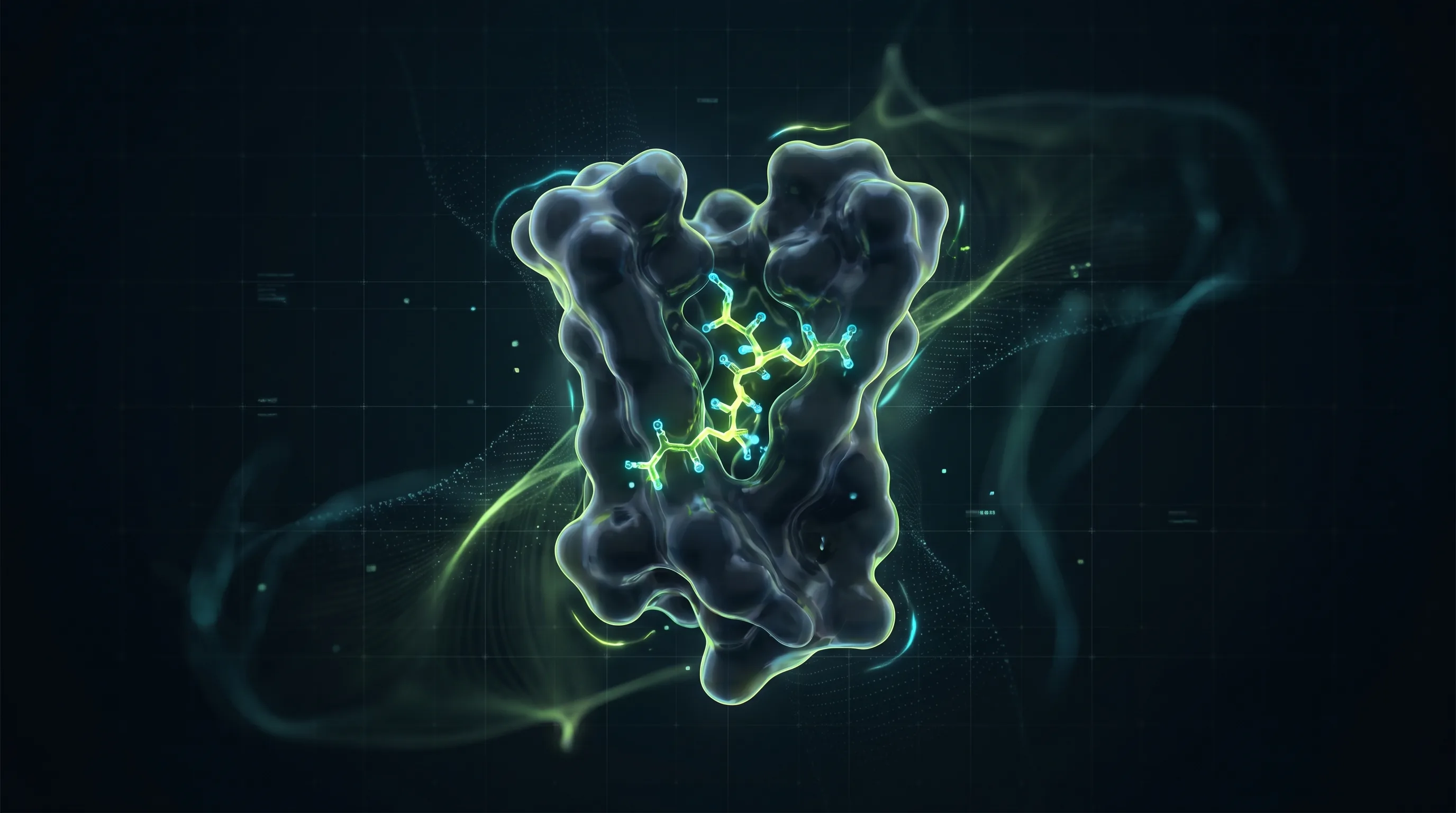
HLA (human leukocyte antigen) is the human form of the MHC (major histocompatibility complex). HLA molecules grab short peptides from inside the cell and present them on the surface, letting patrolling T cells inspect a sample of what each cell is making.
HLA genes are the most variable in the human genome — your specific HLA “type” determines which peptides your cells can present. That's why neoantigen vaccines must be personalized: the same tumor mutation can be a great target in one patient and invisible in another, purely because of HLA differences.
Predicting which peptides a given HLA allele will bind and present (“HLA-binding prediction”) is the most mature AI task in the field — tools like NetMHCpan are widely used to rank candidate neoantigens.
FAQ
What is HLA typing and why does it matter for cancer vaccines?
HLA typing identifies the specific HLA alleles a patient carries. It matters because HLA molecules decide which peptides a patient's cells can present to T cells — so the same tumor mutation can be an excellent vaccine target in one person and completely invisible in another. Neoantigen prediction is run against each patient's actual HLA type.
What is the difference between HLA and MHC?
They refer to the same system. MHC (major histocompatibility complex) is the general term used across species; HLA (human leukocyte antigen) is the name for the human MHC genes and molecules specifically.
Why are neoantigen vaccines personalized to each patient?
Because both the tumor's mutations and the patient's HLA type are individual. A vaccine must encode mutations that exist in that patient's tumor AND form peptides that patient's HLA can present — a combination that is essentially unique to each person.