Mutation types (missense, frameshift, indel)
The flavors of DNA change — single-base swaps vs insertions/deletions — that determine what (if any) altered protein, and thus neoantigen, results.
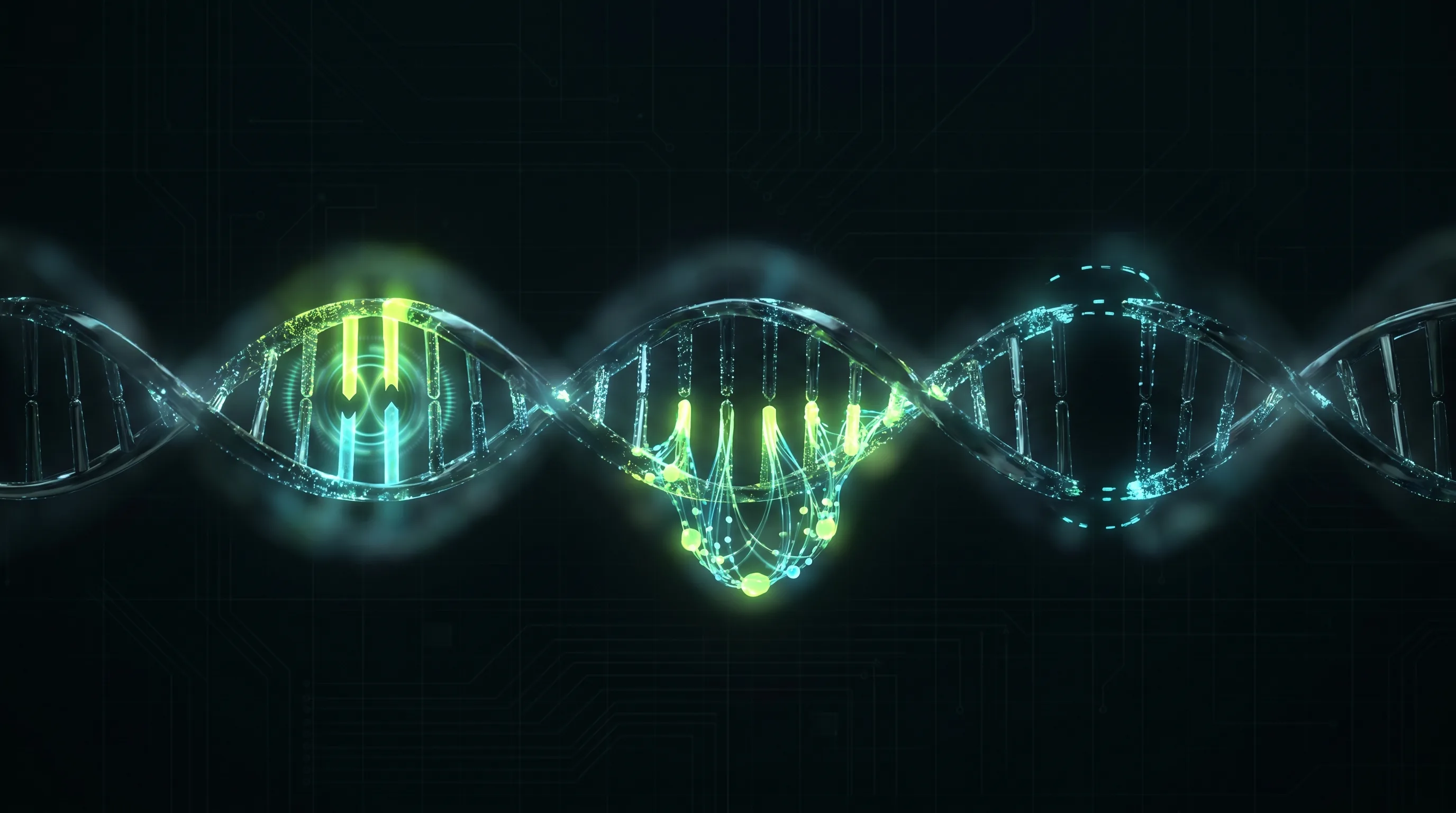
A missense (point) mutation swaps one base and changes a single amino acid — the classic, abundant source of neoantigens that differ from self by just one residue. A frameshift comes from an insertion or deletion (indel) whose length isn't a multiple of three, shifting the reading frame so the entire downstream protein sequence is rewritten.
Frameshift and other indel-derived neoepitopes are increasingly prized: because they produce stretches of wholly novel, non-self sequence, they can be far more immunogenic than a single-residue missense change. Which mutation class a target comes from is now an explicit feature in many prediction pipelines, not just an afterthought.