Neoantigen
A protein fragment unique to a tumor — created by the cancer's own mutations — that the immune system can recognize as foreign.
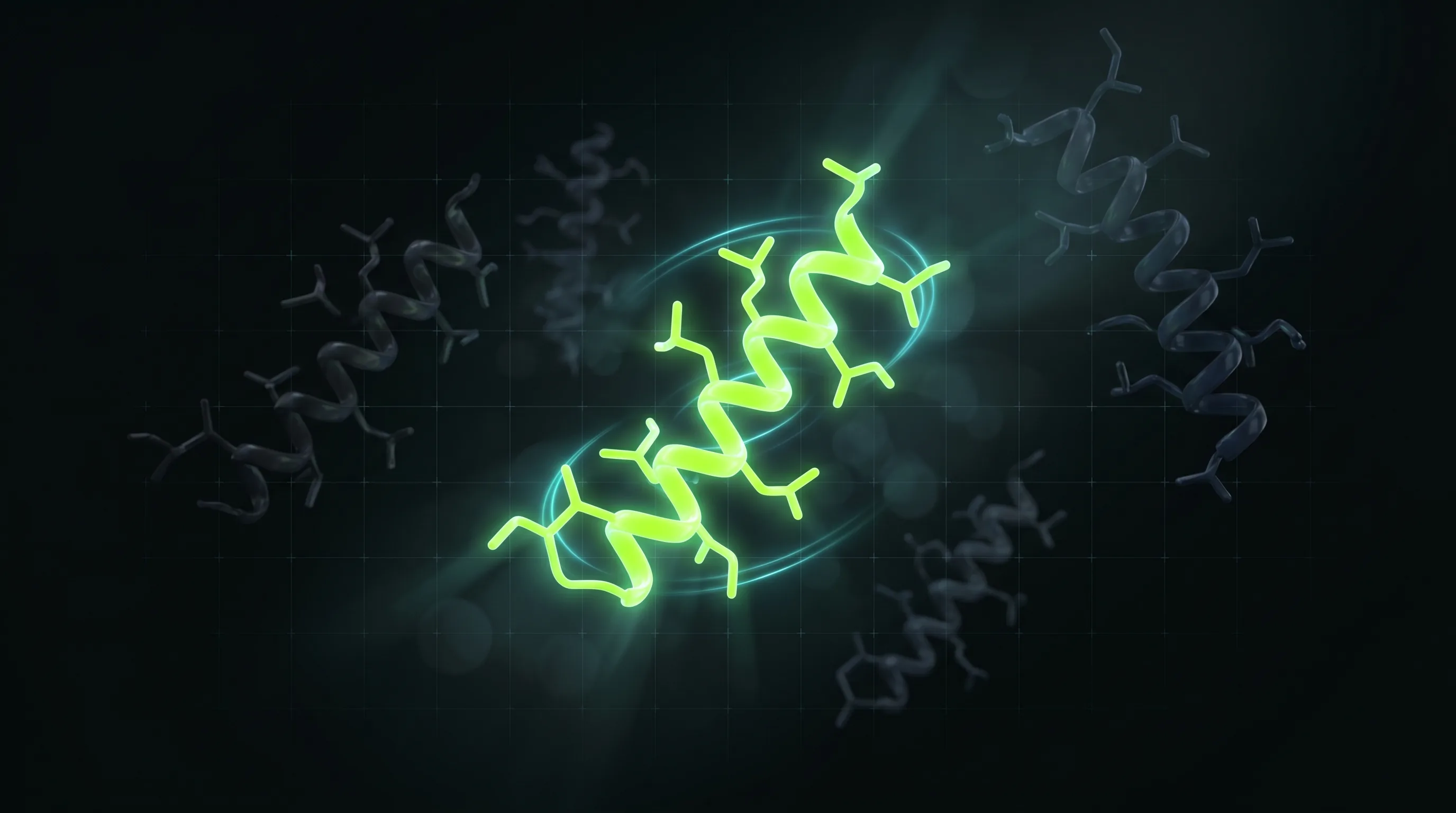
Every cancer carries DNA mutations that healthy cells don't. When a mutated gene is translated into protein and chopped up inside the cell, some of the resulting fragments differ from anything in normal tissue. Those tumor-specific fragments are neoantigens (“neo” = new).
Because neoantigens don't exist in healthy cells, the immune system isn't trained to ignore them — which makes them ideal targets. A personalized cancer vaccine works by showing a patient's immune system a selection of their tumor's neoantigens so that T cells learn to hunt down any cell displaying them.
The central hard problem is selection: a tumor may carry hundreds of mutations, but only a small fraction produce neoantigens that are actually presented to and recognized by T cells. Picking the right handful is where AI prediction has become essential.
FAQ
What is a neoantigen, in simple terms?
A neoantigen is a protein fragment that appears only in cancer cells, created by the tumor's own DNA mutations. Because it doesn't exist in healthy tissue, the immune system can recognize it as foreign — which makes it a target for personalized cancer vaccines.
What is the difference between a neoantigen and a tumor-associated antigen?
A tumor-associated antigen (TAA) is a normal protein that tumors over-express — it also exists in healthy cells, so the immune system is partly tolerant to it. A neoantigen arises from a tumor-specific mutation and has no healthy-cell counterpart, so it can trigger a sharper, safer immune response with less risk of autoimmunity.
Why are only a few of a tumor's mutations useful neoantigens?
A tumor may carry hundreds of mutations, but a peptide only becomes a useful neoantigen if it is actually produced, presented on the patient's HLA molecules, and recognized by a T cell. Most mutations fail one of these steps, so selecting the rare productive ones is the central problem that AI prediction tries to solve.